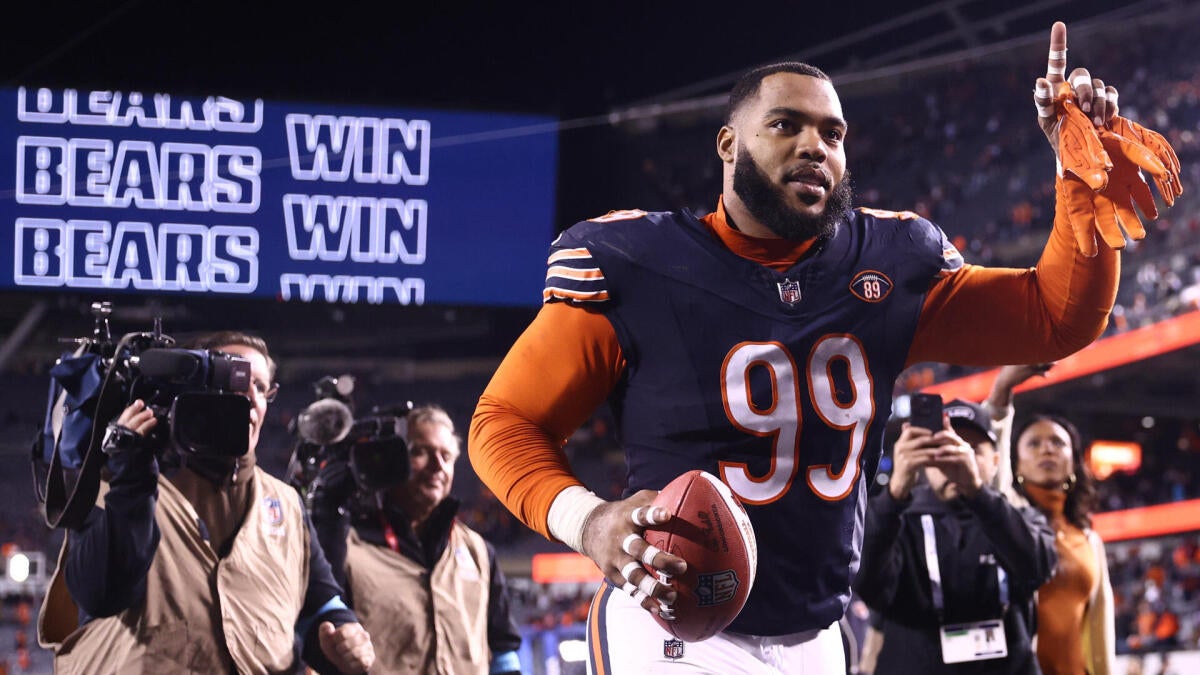
Less than a decade ago, the NFL trade deadline was quiet with single-digit in-season trades. Now, 24 hours before the 2026 deadline, 10 trades had already occurred, with more expected before the 4 p.m. ET cutoff on Nov. 10. Star players could move as contenders bolster rosters and rebuilding teams seek draft capital.
Last year saw 22 trades from season start through deadline, the most since at least 1995 per NFL Research, with 12 players and 14 picks exchanged on deadline day alone. This continues a trend since the mid-2010s where front offices mortgage futures for immediate impact or sell assets for picks. Only once from 2010-2017 did the NFL log 12+ in-season trades; since 2018 that number is the low-water mark.
Why In-Season Trades Used to Be Uncommon
Trading in the NFL is complicated by contract structures with prorated bonuses, dead money, and a hard salary cap unlike the NBA or MLB. Football's complexity with large playbooks and timing, especially for quarterbacks and receivers, makes midseason integration difficult. The 17-game season keeps more teams in playoff contention longer, reducing sellers. Draft picks are highly valued for filling large rosters, and fringe players can be released instead of traded.
Calendar Changes Shift Contention Windows
Until 2011, the deadline fell after Week 6, too early for teams to assess playoff chances. In 2012, the NFL and NFLPA moved it to after Week 8, and after adding a 17th game, it moved to the Tuesday after Week 9, near midseason. This clarity helped teams like the Indianapolis Colts, who at 2-4 after six games still hoped to compete, but at 2-7 after nine games became aggressive sellers, moving Pro Bowlers Quenton Nelson and DeForest Buckner.
"F Them Picks" Mentality
A major driver is the willingness to trade premium draft picks for immediate stars. Los Angeles Rams GM Les Snead pioneered the "F them picks" approach, trading multiple first-rounders for players like Brandin Cooks, Jalen Ramsey, Matthew Stafford, and in 2026, Myles Garrett and Trent McDuffie. This strategy delivered a Super Bowl and inspired other GMs, including Jacksonville's James Gladstone, a Snead disciple who made two deadline deals swapping picks for impact players.
General Managers Get Creative
GMs balance pick hoarding with immediate needs through pick swaps and compensatory picks. Pick swaps let teams exchange picks while retaining some capital. Compensatory picks allow teams to acquire rentals knowing they may recoup the pick if the player leaves in free agency. Gladstone exemplified this by trading a conditional 2028 sixth-rounder for Davon Godchaux, a pick the Jaguars don't yet own.
Is This the New Normal?
The surge in deadline activity has staying power due to scheduling changes and aggressive front-office philosophies in a "what have you done for me lately" league. With another roster-building tool mainstream, trade deadline action will likely remain elevated.


