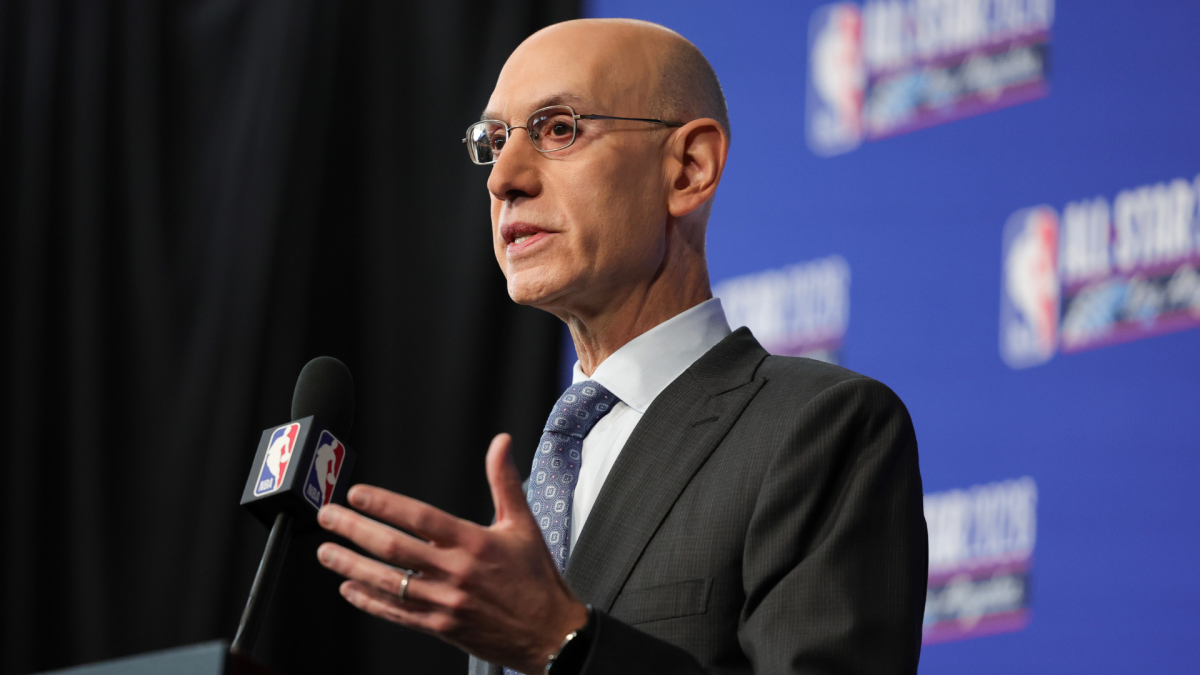
NBA Commissioner Adam Silver has revived the idea of shortening games from 48 to 40 minutes amid an early-season injury crisis that has sidelined numerous stars. Silver, speaking on The Dan Patrick Show in 2025, expressed support for four 10-minute quarters, aligning the NBA with international and college basketball standards. The proposal has gained traction as the league grapples with what some call an unprecedented wave of injuries.
Potential Benefits
Proponents argue that reducing game length by eight minutes would cut regular-season playing time by approximately 17%, from 3,936 to 3,280 minutes per team. Fewer minutes could mean fewer injury opportunities, especially during high-fatigue periods late in games and seasons. A 40-minute format would also harmonize the NBA with FIBA, WNBA, and college basketball, simplifying cross-league player comparisons. Additionally, shorter games may better suit modern television attention spans, a point Silver emphasized by citing MLB's pitch-clock success. Increased randomness in outcomes could also boost entertainment value, as smaller samples historically produce more upsets.
Significant Drawbacks
Critics highlight several structural problems. First, star players already average well under 40 minutes per game, so teams could simply reduce bench usage rather than lessen superstar workloads. This would devalue role players and discourage the NBA Players Association from supporting the change. Second, the grueling schedule — 41 road games, back-to-backs, and limited practice time — would remain unchanged. The game's increased speed and athleticism would persist, meaning injury risk per minute might not drop. Third, shortening games would reduce commercial inventory, threatening revenue. Finally, altering the game's length would disrupt historical statistical continuity, making records across eras incomparable. Alternative solutions, such as adjusting shot values, carry similar historical risks but may address pace and spacing more directly.
While the 40-minute concept addresses injury concerns superficially, the consensus among analysts is that the negatives — particularly the trivialization of bench players and the failure to address schedule density — outweigh the positives. The NBA has not indicated readiness to implement such a fundamental change.


