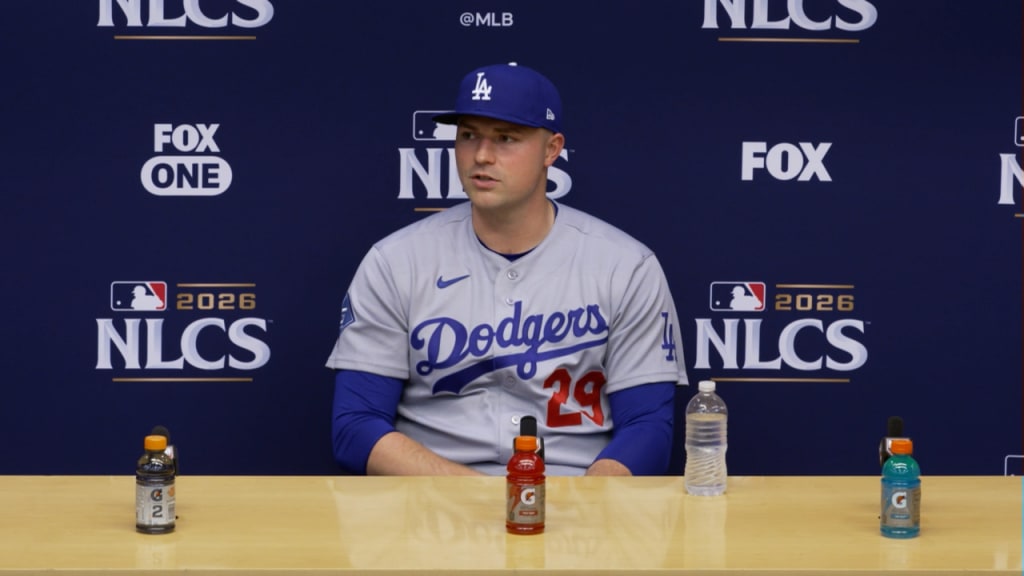
Left-hander Tarik Skubal, a two-time American League Cy Young winner, is the premier free agent available this offseason and is widely expected to sign a record-breaking contract before the collective bargaining agreement expires at 11:59 p.m. ET on Dec. 1, after which a lockout is considered likely.
The 30-year-old Scott Boras client could command a deal exceeding $400 million, surpassing the largest pitching guarantees in history. Current records include Yoshinobu Yamamoto's $325 million total guarantee and Max Scherzer's $43.3 million average annual value. An eight-year, $50 million per year contract would set new highs for both total value and AAV.
Several big-market clubs, including the Blue Jays, Dodgers, and Mets, are reportedly pursuing Skubal. However, there is also a possibility he could follow a short-term, high-AAV path similar to Framber Valdez, Bo Bichette, or Kyle Tucker, signing a three- or four-year deal with opt-outs. The Athletic reports the Dodgers prefer such an arrangement, though ESPN indicates Skubal currently has no interest, a stance that could change.
Pros of a Short-Term, High-AAV Deal
Maximize earnings: A short-term contract would allow Skubal to re-enter free agency as soon as next offseason, potentially capitalizing on even higher demand if he performs well in 2027. Future salary floors could also incentivize small-market contenders like the Guardians or Rays to spend aggressively.
Chance to set more records: Skubal already set an arbitration salary record of $32 million for 2026. Returning to the market in a year or two could let him break his own pitcher contract record, adding a notable achievement to his career.
Freedom to change teams: If the fit with his new club proves unsatisfactory — whether due to lack of contention, coaching clashes, or personal preferences — a short-term deal provides an escape hatch to seek a better situation.
Cons of a Short-Term, High-AAV Deal
Injury and performance risk: Skubal has undergone three elbow surgeries, including Tommy John surgery in 2017 and a minor procedure in May 2024. Another injury or performance decline could prevent him from opting out and securing a larger deal, ultimately leaving money on the table despite the high short-term salary.
Potential salary cap: The next CBA may introduce a salary cap with contract limits — such as five years at 15% of the cap for players changing teams — which could restrict Skubal's future earning power. Even without a cap, stiffer competitive balance tax penalties could reduce his market value. This offseason might be his last chance to sign in a truly unrestricted market.