Tennessee men's basketball players, in partnership with Athletes.org, released the first collective bargaining term sheet in college sports on Tuesday, outlining a framework for player-negotiated salary caps, spending floors, and penalties for schools that violate the system.
The term sheet arrives as the Protect College Sports Act (PCSA), which passed the Senate 77-22 on September 28, faces a December 17 deadline for House approval before the new Congress convenes on January 3. Democrats recently won control of both chambers, altering the political landscape.
The proposal includes a single athletic services agreement replacing revenue sharing and school-affiliated NIL deals, a bargained salary cap with a required spending floor, guaranteed minimum pay, postseason and performance bonuses, injury protections ensuring 100% of guaranteed pay for injured players with lifetime medical coverage for catastrophic injuries, a 15-day transfer window after the national championship, and enforcement mechanisms that could strip schools of up to 100% of conference payouts for cheating. Agent fees would be capped at 5% and certified by Athletes.org.
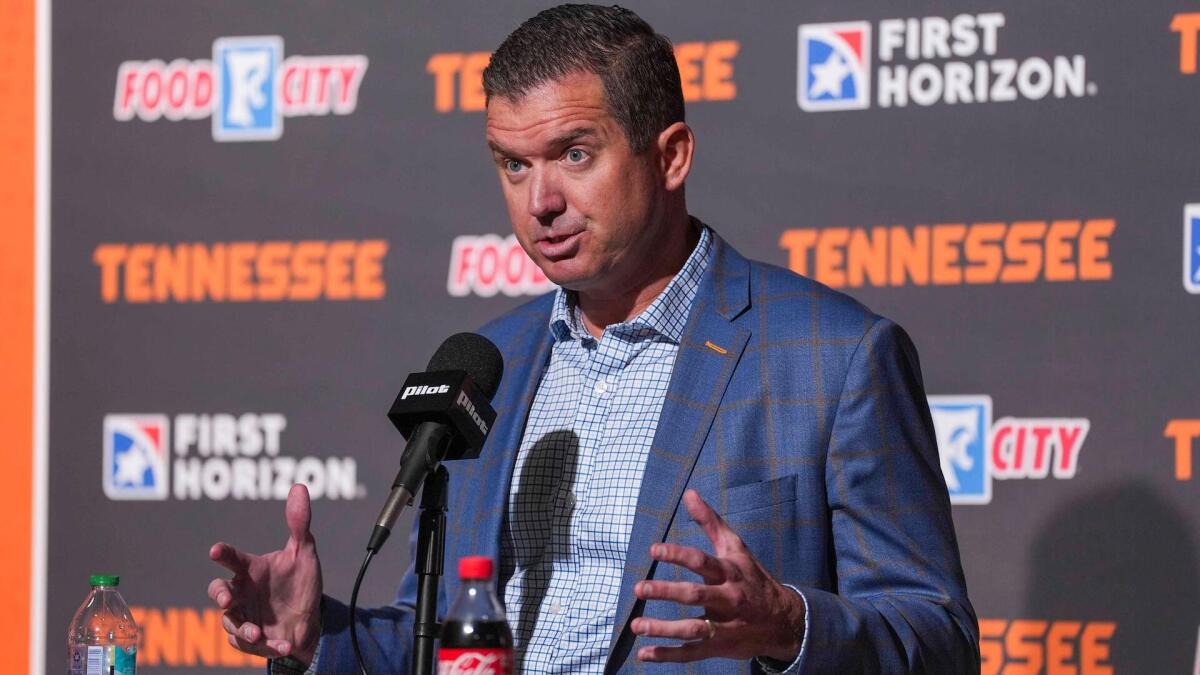
Tennessee athletics director Danny White endorsed the concept, calling collective bargaining a proven model. However, critics including New York Yankees president Randy Levine and Texas Tech regent Cody Campbell argue the plan is driven by agents seeking to maintain fees and question its legality under state laws that prohibit public employers from bargaining collectively without legislative authority.
Athletes.org executive director Brandon Copeland countered that a private, multistate entity funded by member schools would employ athletes, circumventing public-employer restrictions. The PCSA remains neutral on employee status, while providing antitrust protections for schools to enforce pay, eligibility, and transfer rules. The bill also caps agent fees at 5% and maintains a five-year eligibility clock.
Opposition to the PCSA comes from the Congressional Black Caucus over HBCU funding and athlete employment rights, and from 21 House Republicans concerned about power conference caps and conference-switching waiting periods. With a narrow Republican majority in the lame-duck session and competing legislative priorities, a lobbyist described the bill as effectively dead. SEC commissioner Greg Sankey acknowledged the shifting political environment.
Tennessee's player representatives — graduate student Tyler Lundblade, junior Campbell Duncan, and sophomore DeWayne Brown II — said the PCSA unfairly caps player earnings while coaches face no such limits. Athletes.org plans to expand its efforts to other universities and the SEC, while the PCSA's fate will be decided in December.


