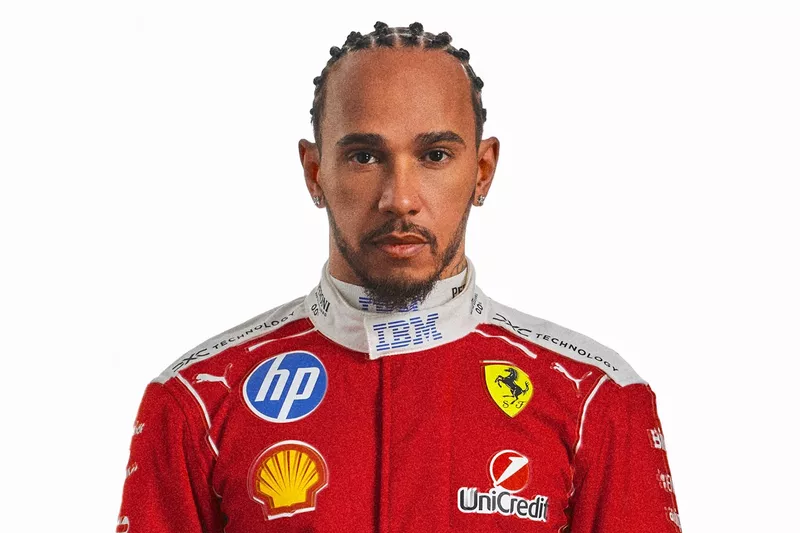
Lewis Hamilton says there is "much still to do" to increase diversity in Formula 1, marking the five-year anniversary of his Mission 44 charity with a report demanding three key steps from the sport.
The report acknowledges that all parts of the industry have made steps to improve representation of Black people, women, and those from lower socio-economic backgrounds. However, it states the sport lacks data to show whether these efforts have "changed who enters, progresses and stays in motorsport." Hamilton noted that while the paddock now shows more diverse faces, the sport has not learned to count how many people walk through the door or stay.
Mission 44 makes three recommendations: measure who joins, who is promoted and who stays, and recognise best practice; take investment in people out of the F1 cost cap and fund the pipeline collectively; and publish the paid places offered each year.
An F1 spokesperson said the sport is proud of its programmes and initiatives, citing the 2024 diversity and inclusion charter and a 2025 sport-wide data gathering exercise. That exercise showed more than 500,000 young people engaged in education, STEM and inspiration programmes globally, and over 1,000 structured skills and talent development opportunities across the sport in the 2025 season alone.
The Mission 44 report proposes that F1, the FIA, teams and main sponsors invest at least £50 million of new money over the next five years to support young people from underrepresented backgrounds into motorsport careers. It highlights a lack of collated workforce data, self-reported figures, inconsistent definitions of underrepresented groups, and an inability to track recruitment, retention and progression.
Examples of progress include Mercedes, which set a 2020 target after data showed only 3% of employees were from minority ethnic backgrounds and 12% were women. By 2025, Mercedes reported 20% women, 10% from minority ethnic backgrounds, and 37% of new joiners in the first half of the year from underrepresented groups. McLaren's 2025 sustainability report showed 36% of staff identified with underrepresented characteristics (target 40% by 2030), 44.8% of new starters from underrepresented groups, women at 22% of the workforce and 10% in technical roles, up from 7% a year earlier.
All F1 teams, F1 itself and the FIA have signed the diversity and inclusion charter. The sport released its first sport-wide social impact report last month, outlining further steps to increase diversity and inclusion.


