A proven computer model that simulates every NFL game 10,000 times has identified five confident best bets for Week 10 of the 2026 season, with a successful parlay offering a potential payout exceeding +2000. The model, which has generated more than $5,000 in profit for $100 players on top-rated picks since its inception, entered the week on a 62-52 run on top-rated selections dating back to 2024.
Key matchups include the San Francisco 49ers, aiming to improve to 8-1, hosting the Dallas Cowboys as 4.5-point favorites despite significant injuries that prompted the acquisition of Keenan Allen at the trade deadline. In the NFC West, the Los Angeles Rams face the Arizona Cardinals (+9.5) without Puka Nacua (knee), while Arizona starts rookie quarterback Carson Beck.
Other notable divisional games feature the Buffalo Bills vs. New York Jets (+7.5), Carolina Panthers vs. New Orleans Saints (-2.5), Jacksonville Jaguars vs. Tennessee Titans (+10.5), Minnesota Vikings vs. Green Bay Packers (-3), and Pittsburgh Steelers vs. Cincinnati Bengals (-3.5) on Sunday Night Football. Buffalo holds a 10-2 record against the Jets over their last 12 meetings.
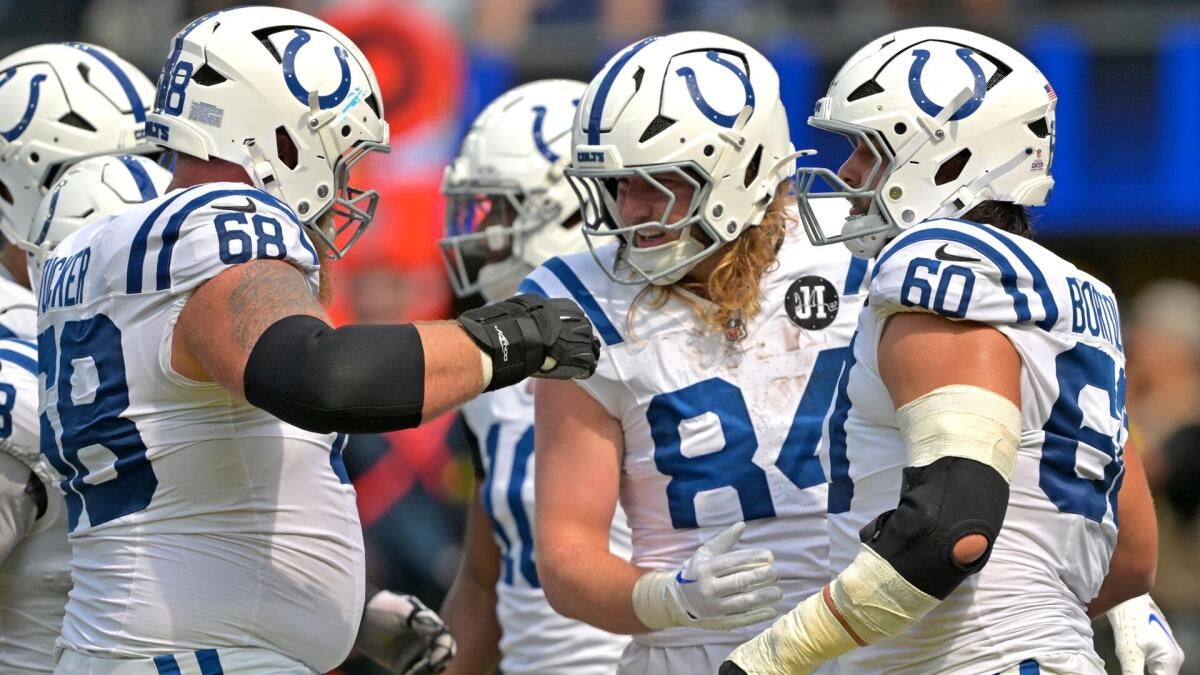
The model's top pick is the Over 37.5 points in the Miami Dolphins vs. Indianapolis Colts game, which hits in 56% of simulations. The Over has cashed in three of Miami's last four games and six of Indianapolis' last 10. Indianapolis' defense ranks 30th, allowing 27.7 points per game, while Miami's defense ranks 22nd, surrendering 25 points per game. Both offenses are missing key pieces: the Colts traded Quenton Nelson, Josh Downs, and Keenan Allen, while the Dolphins turn to quarterback Kyle McCord with Malik Willis (groin) on injured reserve. However, both teams retain strong running backs — Ollie Gordon II leads Miami's ground attack, and Jonathan Taylor remains in Indianapolis. The model projects 42 combined points.
Additionally, the model highlights four other matchups where it believes the line is significantly off, including multiple spread picks that hit well over 50% of the time in simulations.


