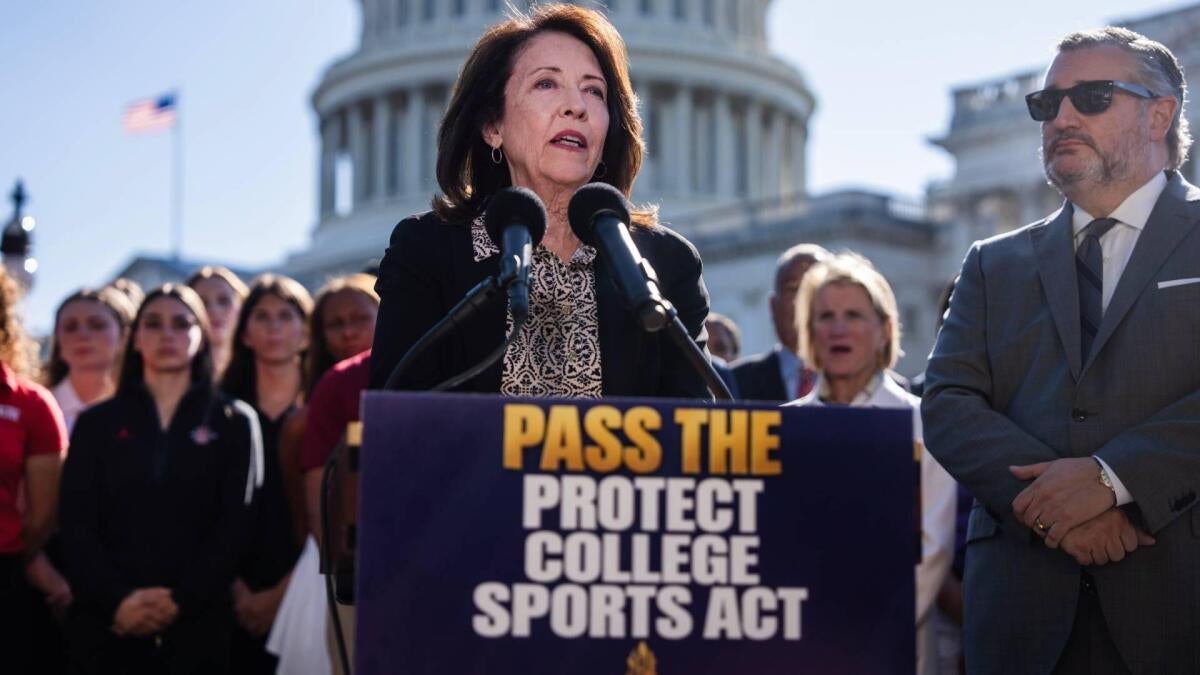
House Republican leaders have set a target date for the Protect College Sports Act, planning to bring the bill to the House floor during the first week of December. House Majority Leader Steve Scalise, Education and Workforce Committee Chairman Tim Walberg, and Energy and Commerce Committee Chairman Brett Guthrie announced the timeline in a joint statement Thursday, aiming for a vote just before conference championship weekend.
The legislation, which passed the Senate 77-22 on September 28, would grant schools, conferences, and the NCAA targeted antitrust protections to enforce rules on athlete pay, eligibility, and transfers. It would also preempt state name, image, and likeness (NIL) laws and raise the revenue-sharing cap to $48.8 million per school.
Despite the leadership push, the bill faces significant hurdles. The Republican leaders acknowledged that the PCSA "in its current form faces real challenges in the House from many factions of our conference who take issue with several measures in the bill, along with Democrats outright opposing it." Key objections include a provision capping power conferences at 20 members and restricting in-season coaching hires, which drew opposition from 21 House Republicans in an October letter. Democrats, who will control both chambers in the next Congress, have criticized the bill over HBCU funding, athlete employment rights, and limits on legal recourse.
Outside advocates, including Texas Tech booster Cody Campbell and New York Yankees President Randy Levine, have intensified lobbying efforts. Big Ten Commissioner Tony Pettiti is also reportedly lobbying heavily. Meanwhile, conferences are developing self-governance models; SEC Commissioner Greg Sankey said the SEC is preparing for a future with or without the bill, and the Knight Commission on Intercollegiate Athletics urged conferences to cap spending and disclose athlete compensation.
With the House's last scheduled workday on December 17 and government funding expiring December 11, the window for passage is narrow. If the bill fails before the new Congress is sworn in on January 3, the process would restart under Democratic control.