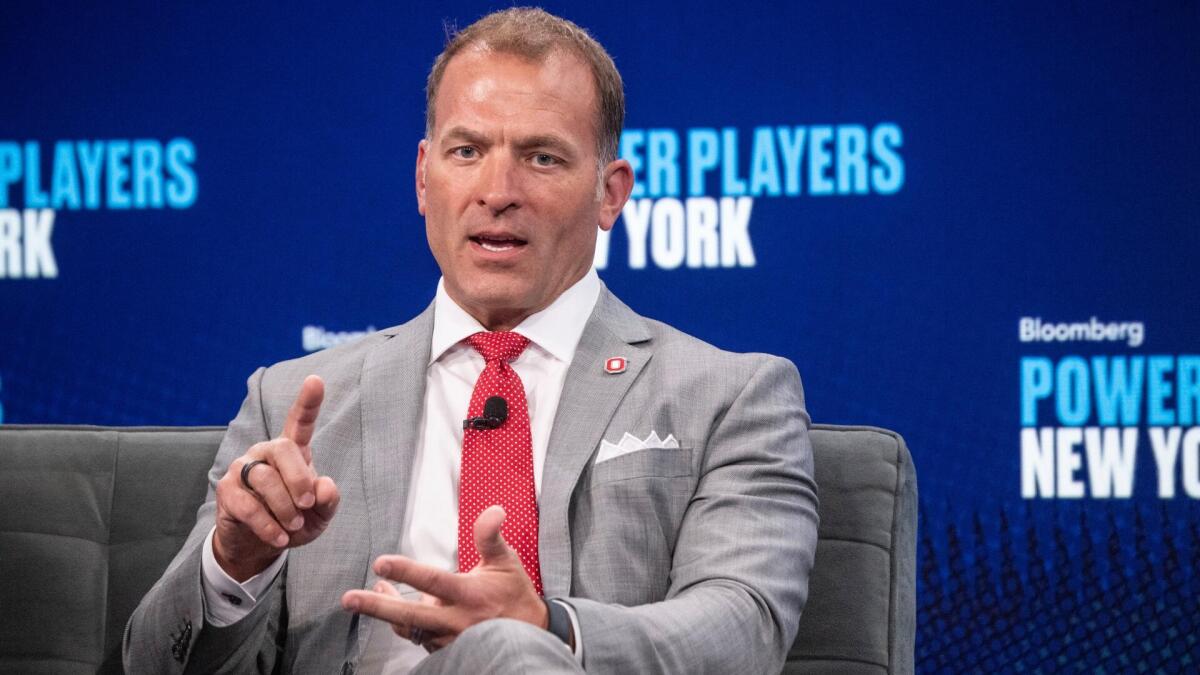
Ohio State athletic director Ross Bjork has indicated that the Big Ten Conference is actively discussing a shift to an NFL-style, results-based scheduling model that could take effect as early as the 2028 season.
Dynamic scheduling based on previous season results
Speaking on "The Ryan Day Show" on 97.1 The Fan, Bjork explained that the conference's current scheduling rotations were established when the Big Ten expanded to include West Coast teams and were based on historical football records. He noted that programs such as Indiana and UCLA have changed significantly since those rotations were set.
Under the proposed dynamic model, opponents would not be finalized until after the 2027 campaign. The Big Ten would adopt a system similar to the NFL's, where teams that finished lower in the standings receive more favorable schedules the following year, while stronger teams face tougher matchups. Key rivalries, most notably Ohio State versus Michigan, would be protected and played annually.
Parity driven by NIL and transfer portal
Bjork said the move is driven by increased parity across the conference resulting from name, image, and likeness (NIL) rules and the transfer portal. He described the current environment as having "a lot more parity in the system" and argued that a dynamic scheduling approach would create a more equitable balance of strength of schedule.
Potential challenges
One complication is that unlimited player movement through the transfer portal and NIL deals creates greater roster volatility from season to season compared to the NFL, where multi-year contracts provide more stability. Despite that concern, Bjork said the conference is having "active conversations that we need to change the way we schedule," and the topic is expected to gain further attention with the upcoming expansion to a 24-team College Football Playoff.


