The San Francisco 49ers aim to improve to 8-1 overall and 5-1 in conference play as 4.5-point favorites against the Dallas Cowboys in a pivotal NFC showdown. Despite a slew of injuries that prompted the acquisition of Keenan Allen at the trade deadline, the 49ers remain favored. In another NFC West clash, the Los Angeles Rams face the Arizona Cardinals (+9.5) without Puka Nacua due to a knee injury, while Arizona will start rookie quarterback Carson Beck.
Other notable Week 10 matchups include the Buffalo Bills (-7.5) versus the New York Jets, with Buffalo holding a 10-2 record over the last 12 meetings; the New Orleans Saints (-2.5) hosting the Carolina Panthers; the Tennessee Titans (+10.5) against the Jacksonville Jaguars; the Green Bay Packers (-3) versus the Minnesota Vikings; and the Cincinnati Bengals (+3.5) taking on the Pittsburgh Steelers on Sunday Night Football.
A computer model that simulates every NFL game 10,000 times has generated five high-confidence best bets for Week 10. The model has produced a profit of more than $5,000 for $100 players on top-rated picks since its inception and entered the week on a 62-52 run on top-rated selections dating back to 2024. A successful parlay of the model's five picks would yield a payout exceeding +2000.
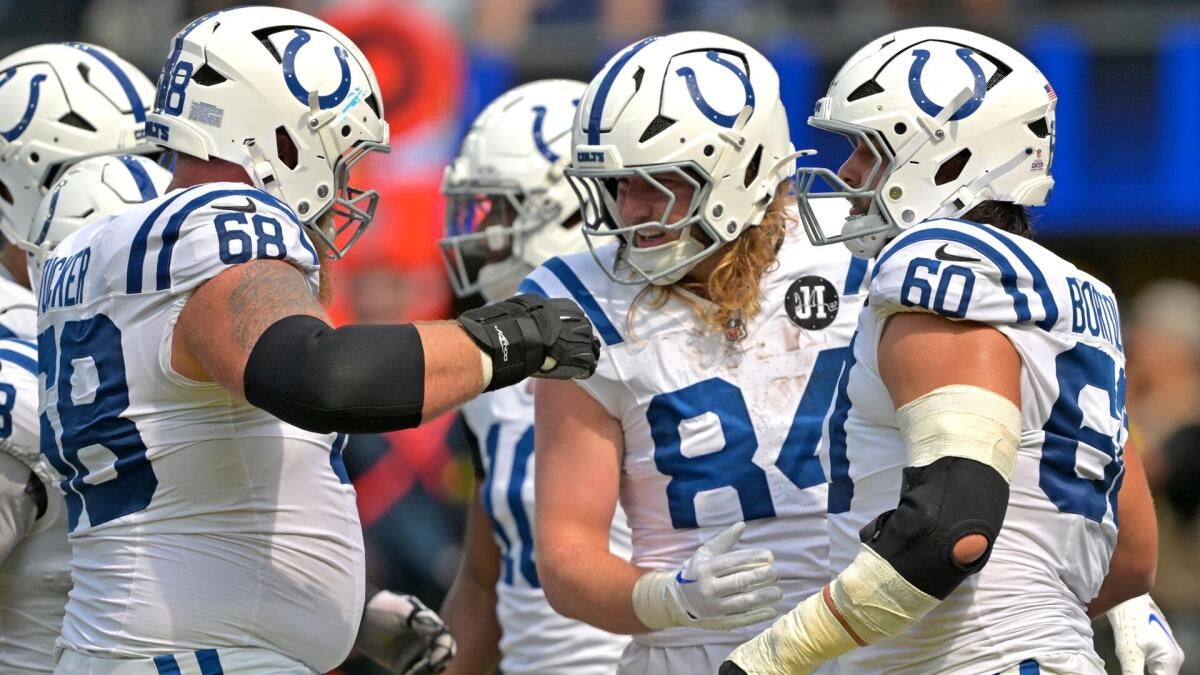
Among the highlighted selections, the model backs the Over 37.5 points in the Miami Dolphins versus Indianapolis Colts game, a result that occurs in 56% of simulations. The Over has hit in three of Miami's last four games and six of Indianapolis' last 10. The Colts' defense ranks 30th in the league, allowing 27.7 points per game, while Miami's defense ranks 22nd, surrendering 25 points per game. Both offenses are dealing with significant personnel changes: Indianapolis traded Quenton Nelson, Josh Downs, and Keenan Allen, while Miami turns to quarterback Kyle McCord with Malik Willis (groin) placed on injured reserve. Running backs Ollie Gordon II (Miami) and Jonathan Taylor (Indianapolis) remain key contributors. The model projects a combined 42 points for the contest.
The model also identifies four additional matchups where the betting line is considered significantly off, including multiple spread picks that hit well over 50% of the time in simulations.

