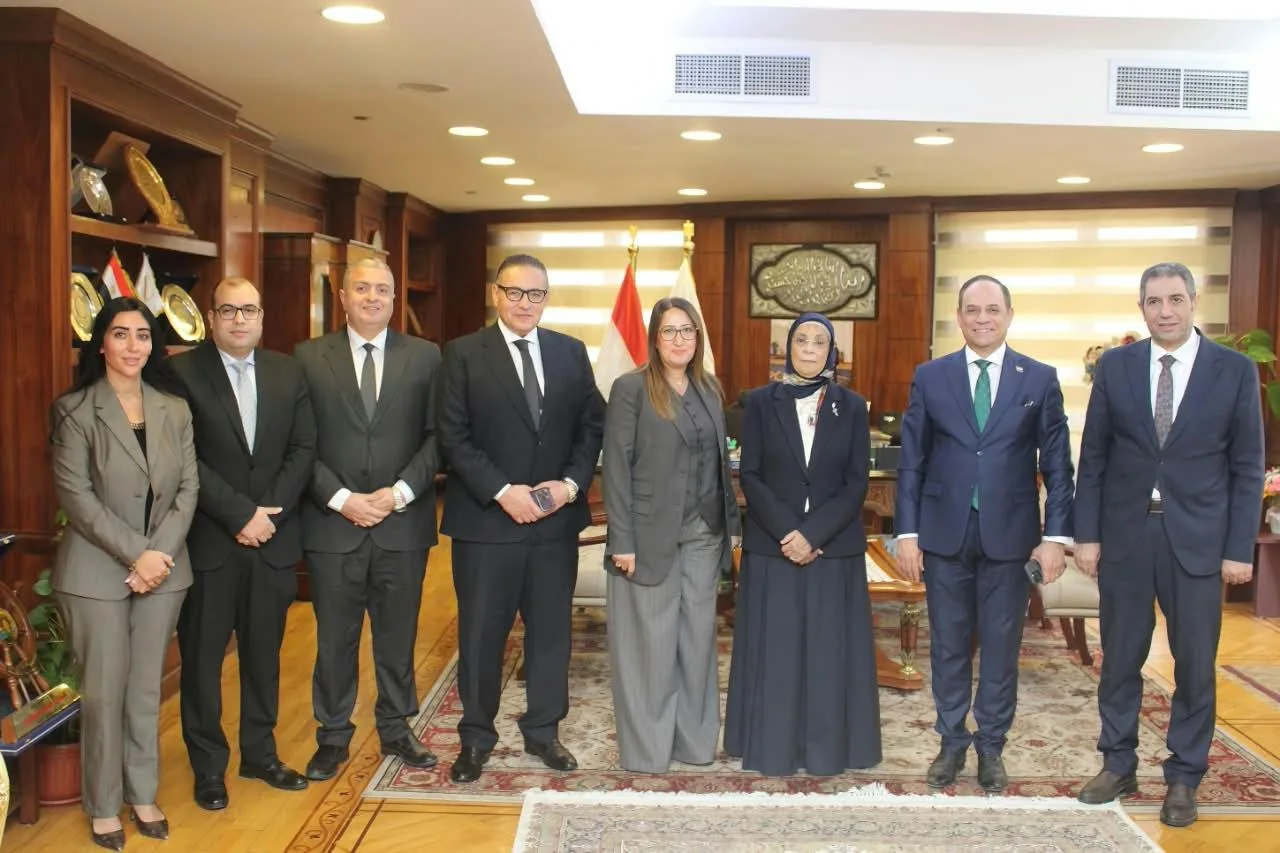
The recent period witnessed an important strategic step within the framework of enhancing digital transformation within Egyptian judicial institutions, as the Administrative Prosecution Authority signed a fruitful cooperation protocol with the National Postal Authority. This cooperation aims to enable the use of the "Baridi" service designated for registered email, with the goal of developing the system of official correspondence and notifications, updating administrative work mechanisms, and ensuring the facilitation of various procedures and enhancing the efficiency of institutional communication through electronic channels characterized by the highest levels of security and reliability.
Protocol Objectives and Digital Transformation
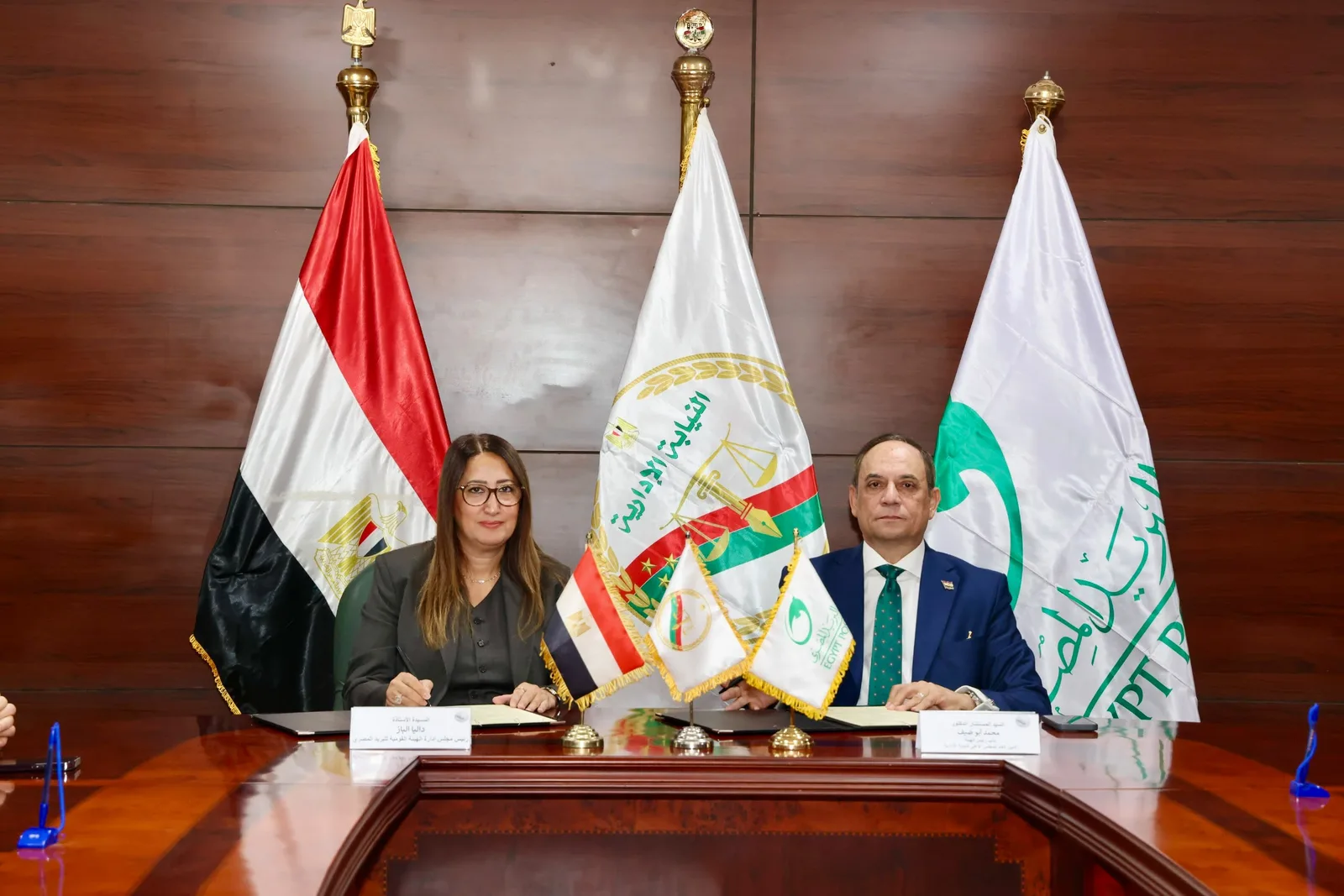
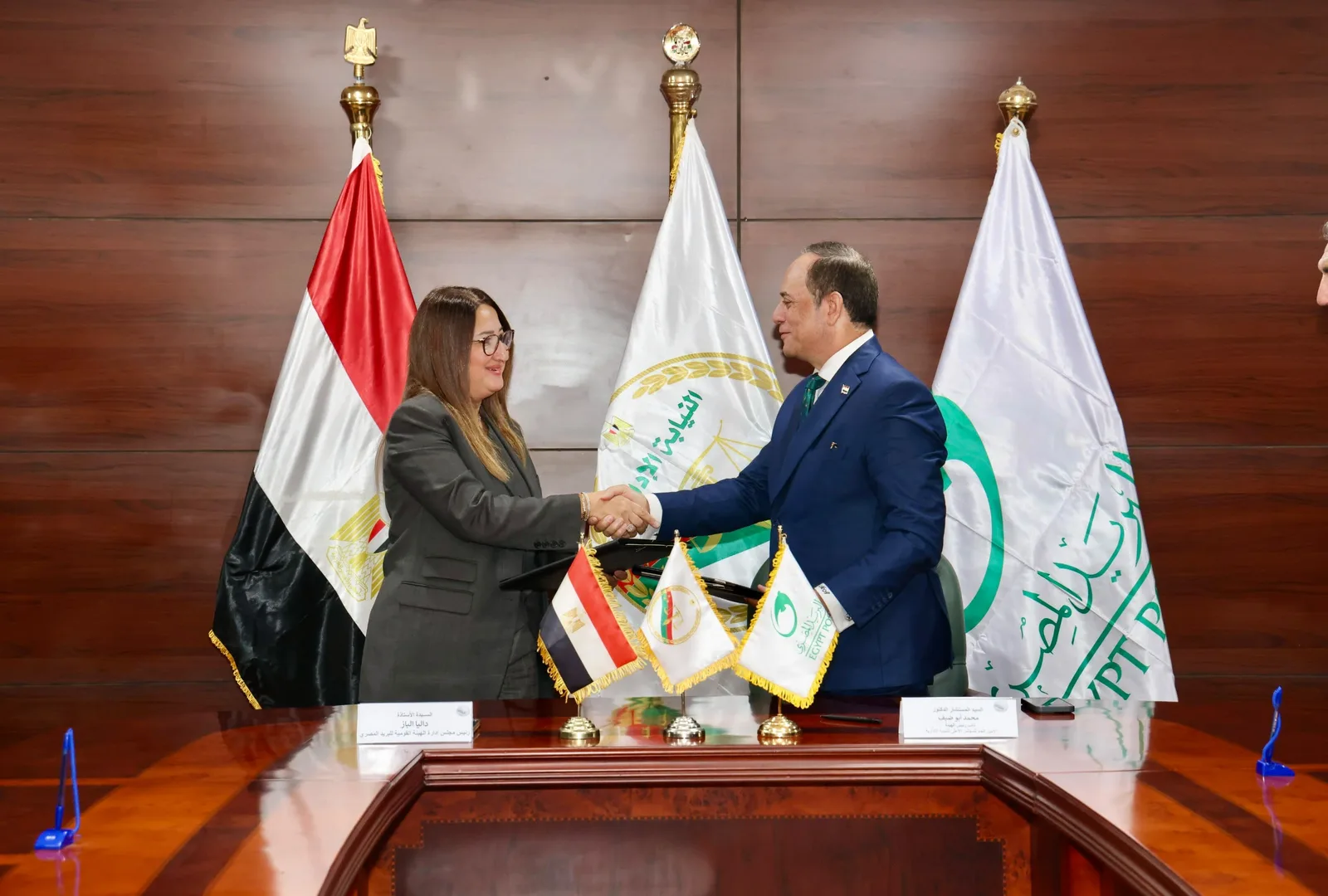
This agreement comes within the framework of the general direction of the Egyptian state towards expanding applications of digital transformation and developing the government work system in an integrated manner. Through this protocol, the Administrative Prosecution seeks to benefit from modern technological solutions to improve performance, accelerate the completion of transactions, and reduce reliance on traditional paper-based transactions. The protocol was signed by Counselor Dr. Mohamed Abu Deif, Secretary-General of the Supreme Council of the Administrative Prosecution, and Ms. Dalia El Baz, Chairperson of the Board of Directors of the National Postal Authority, in the presence of a number of leaders from both parties, emphasizing the importance of joint cooperation in supporting institutional modernization efforts.
The Administrative Prosecution's Vision for Development
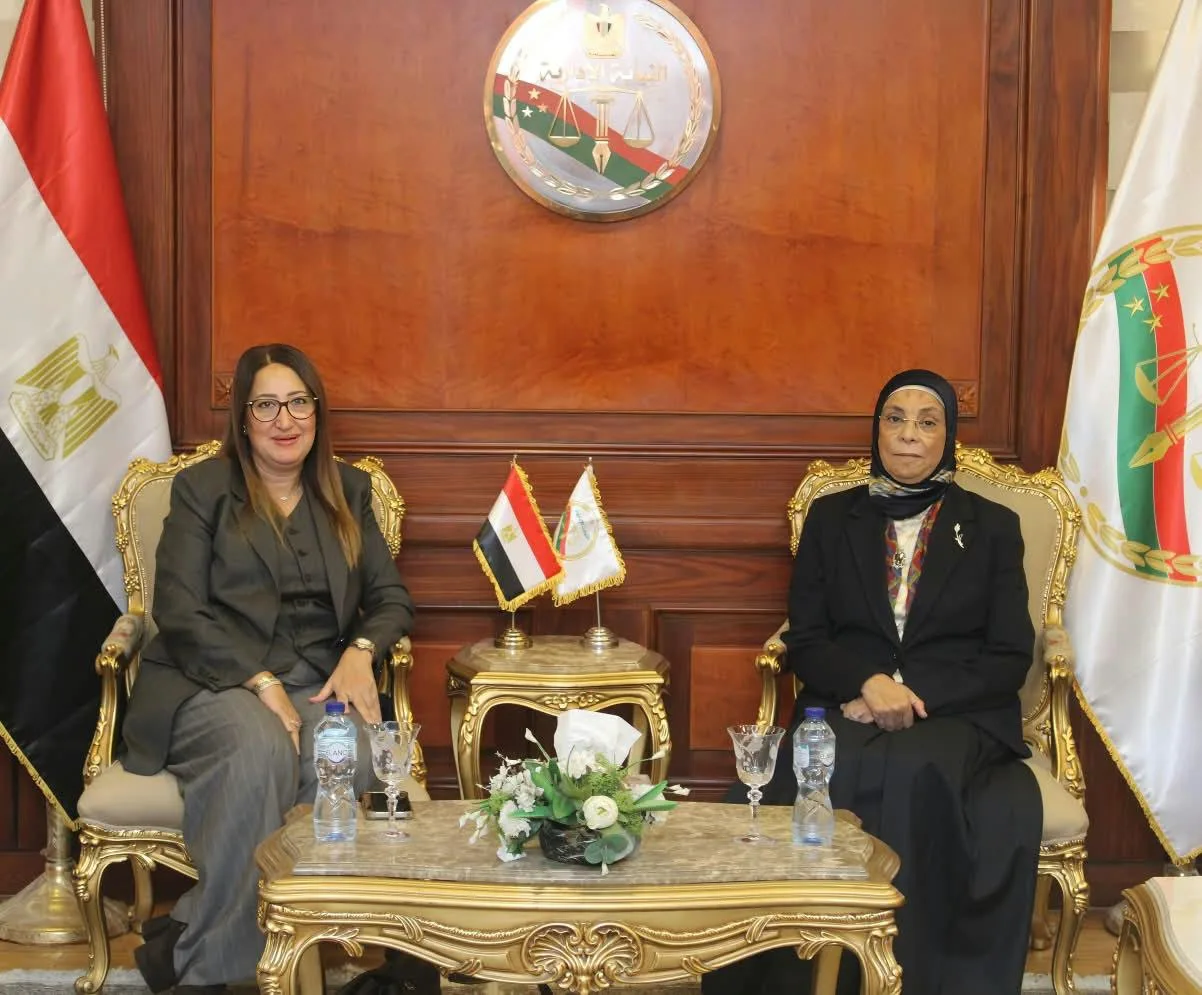
Counselor Hoda Ahmed Eissa, Head of the Administrative Prosecution Authority, emphasized that this protocol reflects the Authority's constant keenness to keep pace with technological development, pointing out that enabling registered email represents a qualitative leap in communication mechanisms and document exchange. She explained that this procedure will directly contribute to the speedy completion of cases and administrative procedures while fully maintaining all required legal guarantees for correspondence with official impact, considering digital transformation a fundamental pillar for developing institutional work and facilitating communication between various state bodies.
Technical Features of the "Baridi" Service
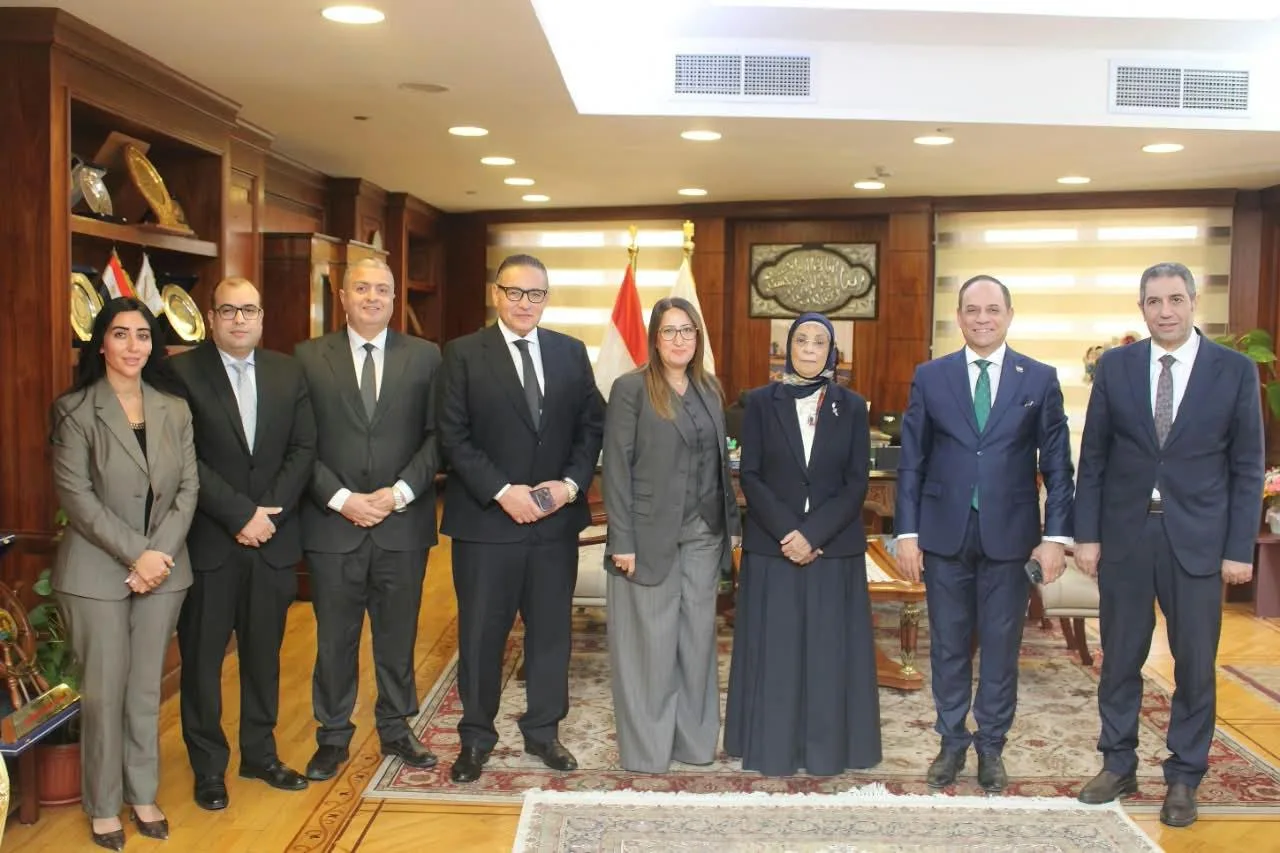
For her part, Ms. Dalia El Baz, Chairperson of the Board of Directors of the National Postal Authority, explained that the "Baridi" service provides a verified electronic channel possessing full legal probative value. This service acts as an advanced digital alternative to registered mail with acknowledgment of receipt, enabling verification of the sender's and recipient's identity, accurately documenting the timing of sending and receiving, and providing strong digital evidence for every correspondence process. She added that this service guarantees the protection of correspondence content and attachments from any tampering or loss, contributes to reducing operational costs, and supports environmental sustainability by reducing paper consumption.
Enhancing Institutional Work Efficiency
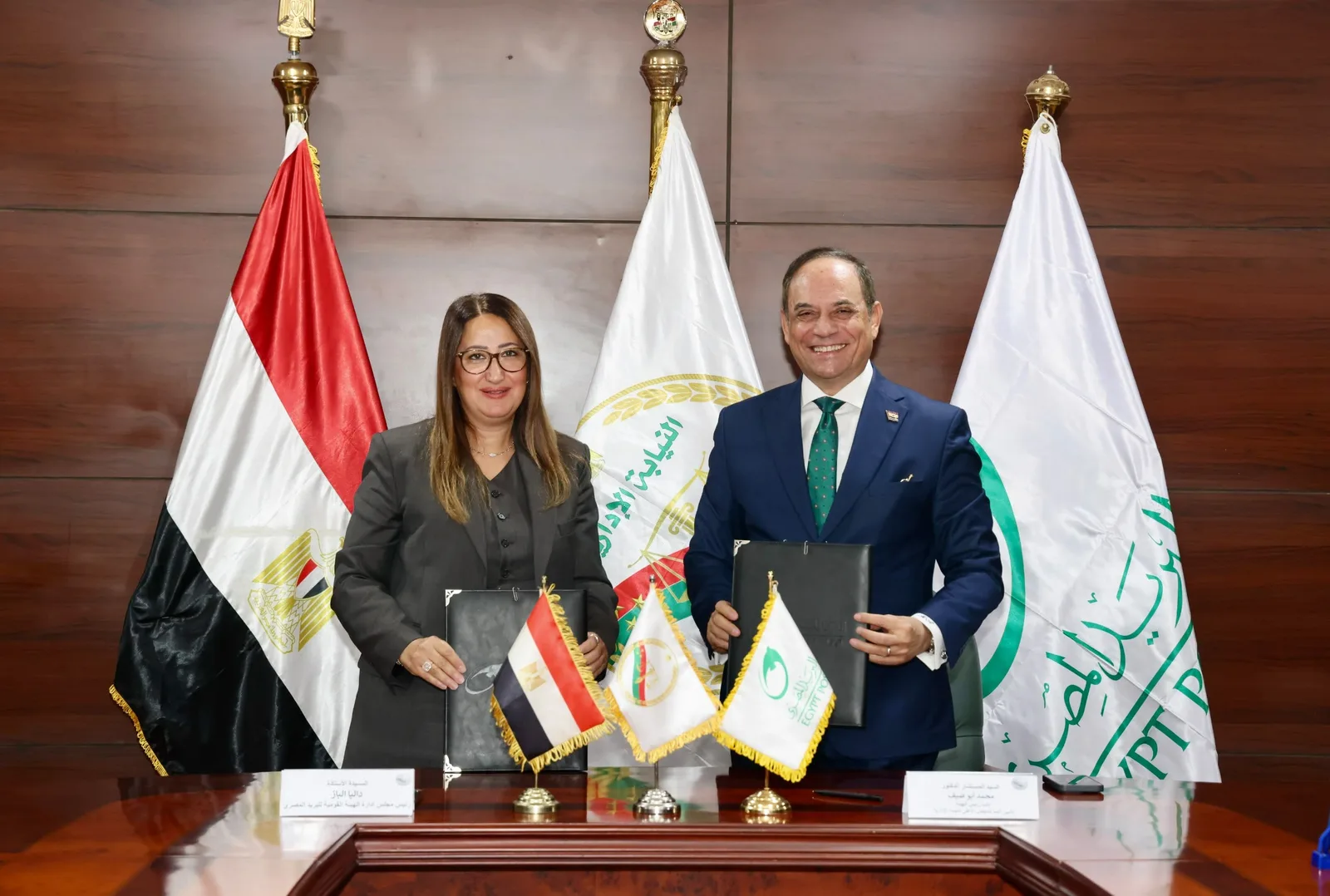
For his part, Counselor Dr. Mohamed Abu Deif pointed out that the cooperation represents a qualitative addition to the Administrative Prosecution's work system, as it provides documented mechanisms to prove transactions, which enhances the accuracy of document circulation and protects the legal positions of the parties. Under this protocol, the "Baridi" service will be activated in all official correspondence and notifications between the Administrative Prosecution and the concerned entities in accordance with the regulating legal procedures, reflecting a national integration aimed at raising the efficiency of government performance and improving the quality of services provided.