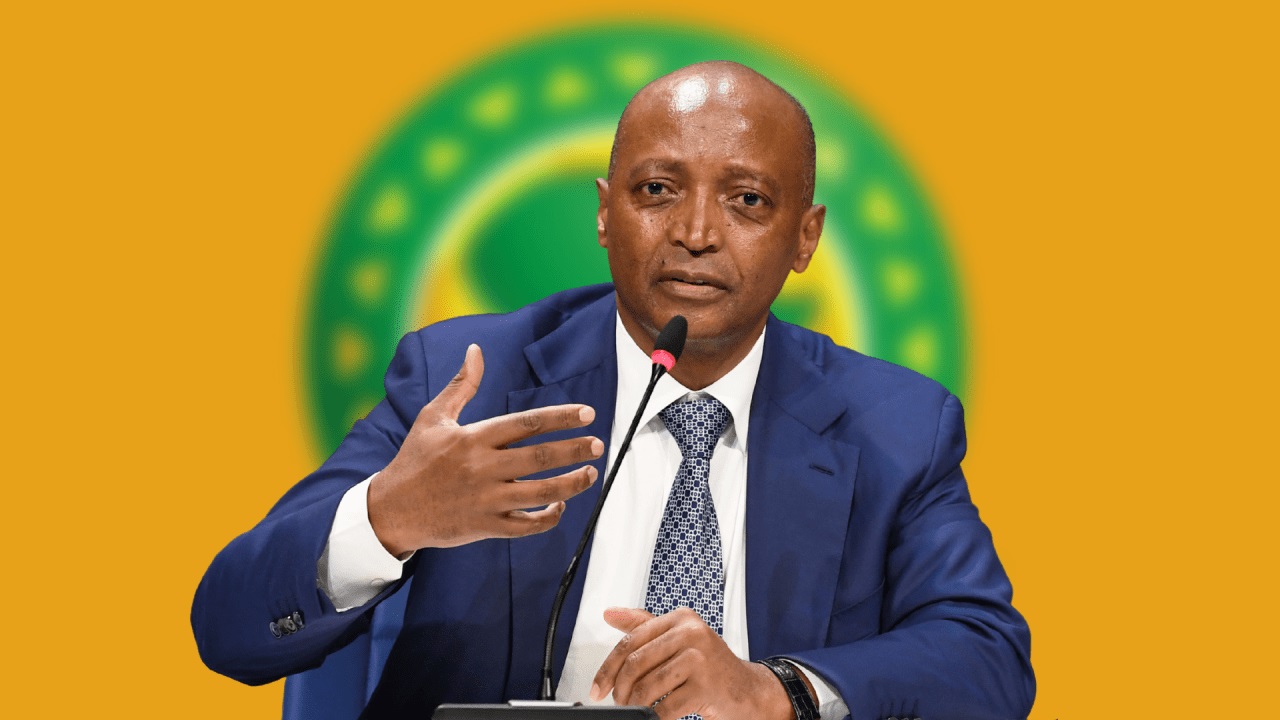
The Confederation of African Football (CAF) has abandoned plans to switch the Africa Cup of Nations (AFCON) to a four-year cycle, reverting to the tournament's traditional biennial schedule. CAF president Patrice Motsepe announced the U-turn, stating it was based on "advancing, protecting and promoting" the interests of African football. The decision comes just 10 months after Motsepe had declared on the eve of the 2025 finals in Morocco that the tournament would move to a four-year cycle starting in 2028.
Controversial Plan and Backlash
The proposed shift had been announced at a CAF executive committee meeting in December 2025 without being tabled at a general assembly of all 54 member associations. Critics argued the change favored FIFA's global calendar over African interests. Football Association of Zambia official Sydney Mungala told the BBC the two-year cycle had "served the continent very well" and the four-year proposal was a surprise and concern to most African federations. FIFA president Gianni Infantino had first publicly suggested a four-year AFCON cycle in February 2020, an idea Motsepe initially rejected after his election as CAF president.
Financial Considerations
AFCON is CAF's primary revenue generator. The 2025 edition in Morocco was projected to generate $192 million, representing 66% of CAF's total competition revenue across men's, women's, and age-group football. A profit of $114 million was forecast for AFCON 2025, up from $75 million for the 2023 tournament in Ivory Coast. To replace lost revenue from a less frequent AFCON, CAF had proposed an annual Africa Nations League involving all 54 countries, aiming to create a "world-class competition every year." However, Motsepe later admitted misgivings, noting the Nations League would require "several years" before making "substantial financial and football development contributions." The failed Africa Super League, discontinued after one edition despite projected annual revenues of $200 million, served as a cautionary tale.
Decision-Making Process and FIFA's Role
After the executive committee's December decision, CAF asked its 54 associations to express a preference between the four-year format and the status quo. The executive committee ultimately voted to restore the biennial cycle. Algerian journalist Maher Mezahi suggested the reversal came after African federations gave Infantino support for his FIFA re-election bid in exchange for concessions, primarily the return of AFCON to a two-year cycle. Infantino attended CAF's strategy conference in Cape Verde earlier this month to shore up support amid controversy over leaked plans to sell stakes in FIFA competitions.
Future Tournament Schedule
The 2027 AFCON is scheduled for Kenya, Tanzania, and Uganda from June 19 to July 17. The next edition will follow just one year later in 2028, a decision made during planning for the four-year cycle that CAF has kept. Subsequent tournaments are set for 2031 and 2033 to avoid clashes with the FIFA World Cup. The proposed Africa Nations League, now likely to be held every two years rather than annually, targets a September 2029 kick-off. Meanwhile, the 2025 AFCON title remains undecided after Senegal's victory was overturned in favor of Morocco, with the Court of Arbitration for Sport set to determine the ultimate champion.


